
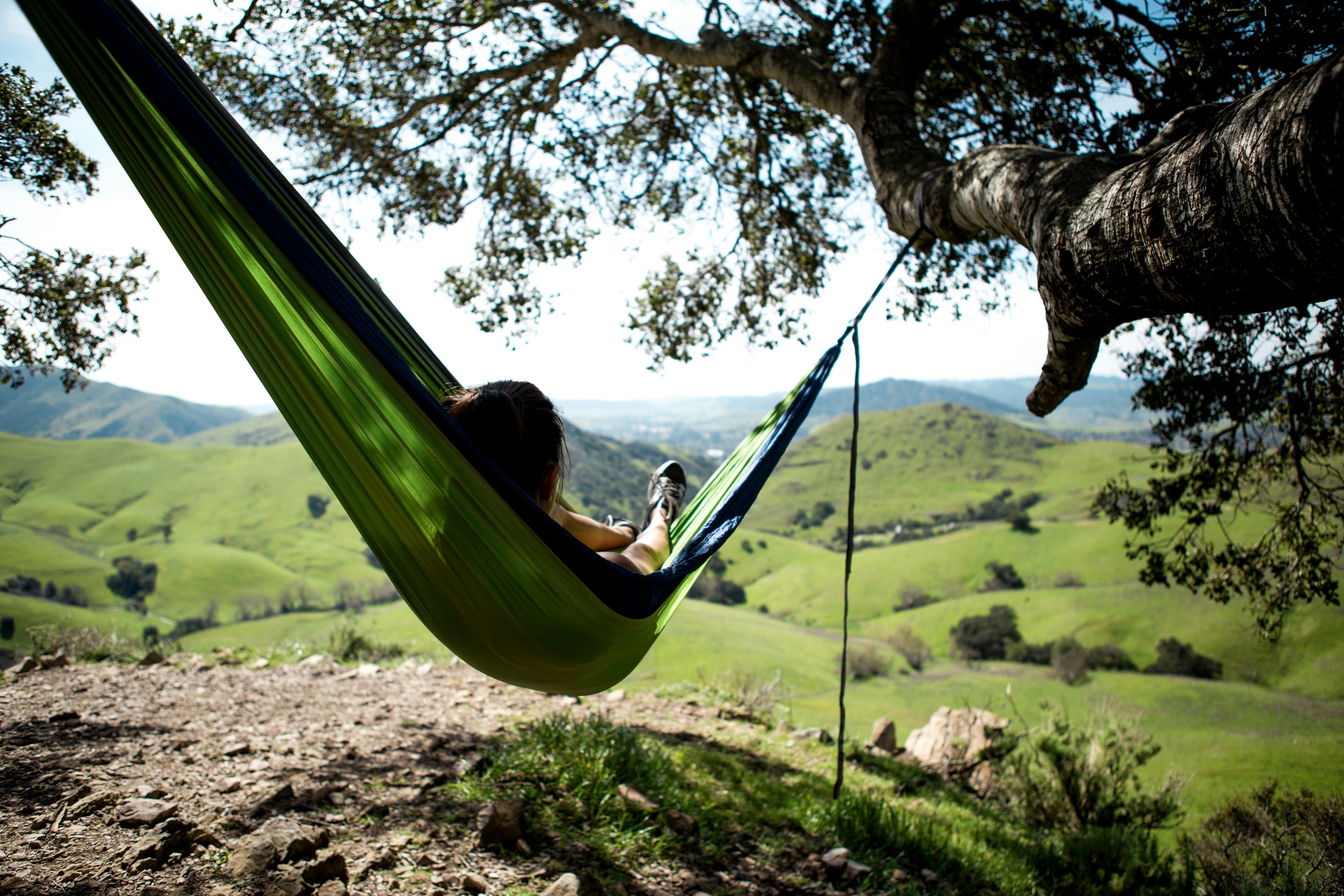
In mountain towns, we adventure hard. We fill our calendars with training, courses, multi day adventures, and objective after objective. We’re drawn by these activities that make us feel free, so we spend as much time doing them as humanly possible.
And somewhere in all that doing, rest quietly falls off our radars entirely. Not because we decided against it, but because there was never really room for it in the first place. We don’t just struggle to find time to rest, we’ve forgotten what rest actually is.
Ask most people what rest looks like and you’ll likely get the same answer: sleep in, take a day off, hold down the couch, and do nothing.
Sure, that is part of it, but it is not the whole picture because rest isn’t only one thing. Rest actually comes in seven different forms and most of us are only getting one, maybe two.
This isn’t unique to mountain towns. Hustle culture has been telling us for years that our worth is measured in output. Here, it just looks a little different, it’s not inboxes and deadlines, rather it’s objectives and stoke, but the equation is the same: busy equals worthy.
Before we can actually get better at resting, it helps to know what we’re resting from, and what kind of rest we’re even missing.
When I first came across the idea that there are actually seven types of rest, not just one, it changed a lot for me. I’d been sleeping in on my days off but I still felt off, restless, and not quite recovered, even when I’d technically ‘rested.’ Turns out I was missing the bigger picture of rest.
The Seven Types of Rest
Rest researcher Dr. Saundra Dalton-Smith identified seven types of rest we need to actually feel recovered, not just physical. Here’s what each one looks like:
Physical Rest – This one we all know, sleep, sitting down, letting your body actually stop. This is simple in theory, but even our rest days here often sneak in a ‘quick’ pedal or an ‘easy’ hike because true nothing days can feel like wasted time.
Mental Rest – This one is when we give our brains a break from constant problem solving or decision making. Reading conditions, planning routes, calculating risk for the sports we love ask a lot of our minds. Mental rest means actually letting that thinking stop, not just switching to a different screen.
Emotional Rest – This is taking the space to feel what you actually feel without needing to present as being okay. This one is a hard one as mountain culture often rewards toughness and stoke, which can make it harder to admit when a close call scared you, or you’re just not feeling it.
Social Rest – This is time away from socializing, even the good kind. I’m not saying that being with community and friends is a bad thing, though when plans stack on top of plans and there’s never a pause in between then there is a problem.
Sensory Rest – This is a break from noise, screens, and over stimulation. Being outside is genuinely good for this, fresh air, open space, more stillness. Though between the chatter at the crag, a phone full of beta, quite isn’t always as quiet as it seems.
Creative Rest – This is time to take to engage in creativity that has nothing to do with solving problems. Our sports ask a lot of us creatively, solving a boulder problem, picking a descent line, adapting to changing conditions. Creative rest means finding space for a different kind of creativity – painting, writing, cooking, music.
Spiritual Rest – This is taking time to find a deep sense of peace from within. This may come from connecting with something greater than yourself, such as the real meaning we find moving through the mountains. It is worth taking notice, though, of when that meaning starts getting measured only in objectives sent rather than meaningful presence.
You don’t need all seven types of rest every day, but it helps to know they exist. So, when you feel off, restless, wrung out, even after a full night’s sleep, you can ask a better question than ‘why am I still tired?’ You can ask yourself which kind of rest you’re actually missing.
Leave a Reply